

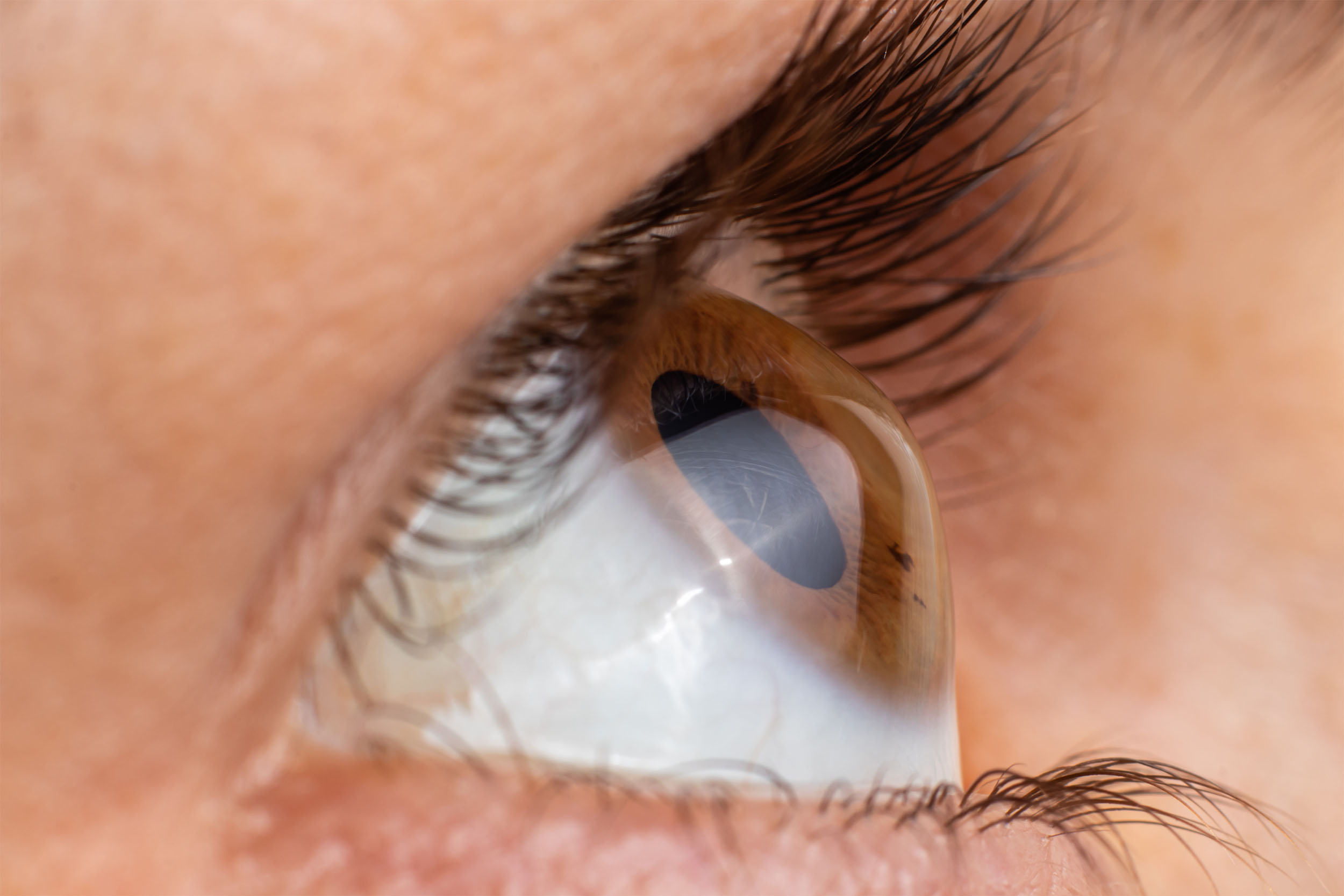
The cornea is undoubtedly one of the most relevant parts of the visual system. Thanks to its transparent nature and its position at the front of the eye, it performs functions ranging from protecting against external agents to ensuring that light is refracted properly toward the retina. However, even though it is fundamental for clear vision, its care is sometimes overlooked, which can lead to vision problems or daily discomfort. Understanding its usefulness and the necessary precautions to keep it healthy is essential for preserving long-term visual quality.
The cornea not only acts as a barrier against germs or particles, but it also plays a crucial role in ocular optics. Its curvature and transparency allow light to focus properly, greatly contributing to the sharpness of the images we perceive. In combination with the lens, the cornea determines most of the eye’s refractive power. If its shape or clarity is compromised, vision can deteriorate significantly, making daily tasks such as reading or recognizing faces more difficult.
Corneal diseases encompass various conditions that affect its different layers. These include inflammatory, infectious, or degenerative processes. Some pathologies are linked to age, others to genetic factors, and still others stem from injuries or inadequate hygiene when using contact lenses. Since many of these conditions can develop symptoms gradually, they are often detected once there is already some loss of corneal transparency.
To prevent corneal diseases or at least minimize their progression, it is advisable to maintain a schedule of regular check-ups. A comprehensive eye examination makes it possible to detect any early changes and to assess the integrity of the different corneal layers. In addition, adopting proper cleaning habits—particularly when using contact lenses—is recommended to prevent infections and maintain adequate corneal hydration if needed.
Recognizing the importance of the cornea and taking preventive measures is crucial for enjoying clear vision. Responsible care, based on regular check-ups, appropriate hygiene, and protection against risk factors, reduces the likelihood of complications or infections that could compromise corneal transparency. Maintaining open communication with an ophthalmologist and seeking prompt consultation in the presence of a family history or any ocular discomfort is the best way to safeguard your visual function and avoid irreversible damage to this vital layer of the eye.


Dr. J. Martín - Oftalmología ha sido beneficiaria de Fondos Europeos, cuyo objetivo es la mejora de la competitividad de las PYMES, y gracias al cual ha puesto en marcha un Plan de Acción con el objetivo de reforzar la digitalización y la competitividad de las pymes durante el año 2024. Para ello ha contado con el apoyo del Programa Pyme Digital de la Cámara de Comercio de Tarragona. #EuropaSeSiente
Dr. J. Martín - Oftalmología ha sido beneficiaria de Fondos Europeos, cuyo objetivo es la mejora de la competitividad de las PYMES, y gracias al cual ha puesto en marcha un Plan de Acción con el objetivo de impulsar el uso seguro y fiable del ciberespacio y la competitividad de las pymes durante el año 2024. Para ello ha contado con el apoyo del Programa Pyme Cibersegura de la Cámara de Comercio de Tarragona . #EuropaSeSiente

