

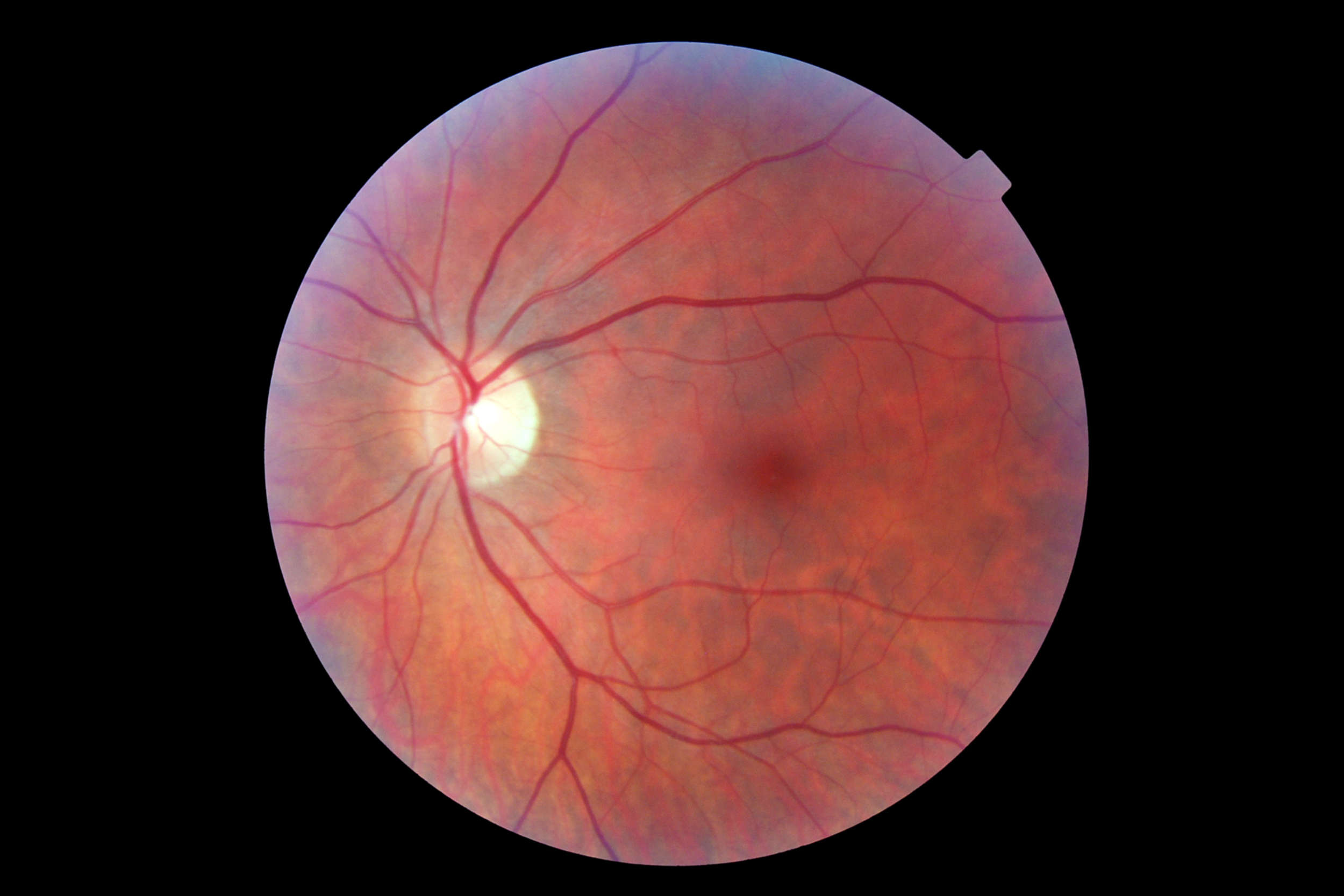
Visual health is one of the fundamental pillars for maintaining a good quality of life, and among the most relevant tests is the retina examination. This medical procedure allows for the early detection of diseases or abnormalities that could seriously compromise our vision. Among these conditions, retinal detachment stands out—a situation that, if not treated promptly, can lead to partial or total vision loss.
Regular check-ups with a specialist not only help prevent serious complications but also allow for the identification of other retinal-related problems, increasing the likelihood of successful treatment. Below, we explore why these check-ups are essential and how they can make a difference in ocular health.
A retina examination is a medical test in which an ophthalmologist evaluates the condition of the retina, the light-sensitive tissue located at the back of the eye. This procedure is carried out using techniques such as ophthalmoscopy, optical coherence tomography (OCT), and fluorescein angiography.
It’s also important to know that most of these tests require pupil dilation, so after the exam, certain considerations must be kept in mind for the following hours:
The main purpose of this check-up is to identify abnormalities that could threaten vision, such as retinal detachment. By detecting problems in their early stages, timely treatments can be implemented, which in many cases prevent irreversible damage.
Moreover, the examination not only focuses on detachment but also on other retina-related conditions, highlighting the importance of a proactive approach to visual health care.
Retinal detachment occurs when this tissue separates from the underlying layer that provides it with nutrients and oxygen. Although it can appear without warning, certain risk factors, such as trauma or family history, increase the likelihood of developing this condition.
However, this is not the only condition a retina examination can detect. Other diseases can also endanger our vision.
Below are the most common diseases related to a retina examination, along with their symptoms and possible treatments:
Visiting a retina-specialized center is the best decision to ensure an accurate and complete evaluation. Having up-to-date professional equipment is crucial, as is working with the right professionals. Taking the time for a retina check-up should be a priority for everyone.
An examination in expert hands not only increases the chances of detecting retinal detachment early but also of identifying conditions that predispose to its occurrence.
Prevention remains the best tool to protect our vision and avoid irreversible complications.
Investing in our ocular health is investing in our quality of life, and since doubts may always arise, you can contact us to help resolve them and better understand your case.


Dr. J. Martín - Oftalmología ha sido beneficiaria de Fondos Europeos, cuyo objetivo es la mejora de la competitividad de las PYMES, y gracias al cual ha puesto en marcha un Plan de Acción con el objetivo de reforzar la digitalización y la competitividad de las pymes durante el año 2024. Para ello ha contado con el apoyo del Programa Pyme Digital de la Cámara de Comercio de Tarragona. #EuropaSeSiente
Dr. J. Martín - Oftalmología ha sido beneficiaria de Fondos Europeos, cuyo objetivo es la mejora de la competitividad de las PYMES, y gracias al cual ha puesto en marcha un Plan de Acción con el objetivo de impulsar el uso seguro y fiable del ciberespacio y la competitividad de las pymes durante el año 2024. Para ello ha contado con el apoyo del Programa Pyme Cibersegura de la Cámara de Comercio de Tarragona . #EuropaSeSiente

